Hiking
What to Bring on a Day Hike: The Essential Packing Checklist
Updated October 2026
You don't need a backpack full of expensive gear to enjoy a day hike.
But knowing what to bring can make the difference between a comfortable afternoon outside and an outing that becomes unnecessarily difficult.
If you're new to hiking, it's easy to wonder whether you're packing too much, forgetting something important, or spending money on equipment you don't actually need.
The answer depends on where you're going.
A short walk along a maintained trail in a local park requires different preparation than a six-mile hike through the mountains. Weather, terrain, distance, and how far you are from help all affect what belongs in your pack.
This guide will help you build a practical day hiking packing list, understand which supplies matter most, and adjust your gear to match the trail.
The goal isn't to carry everything. It's to carry what you need to enjoy your hike and handle reasonable changes in conditions.
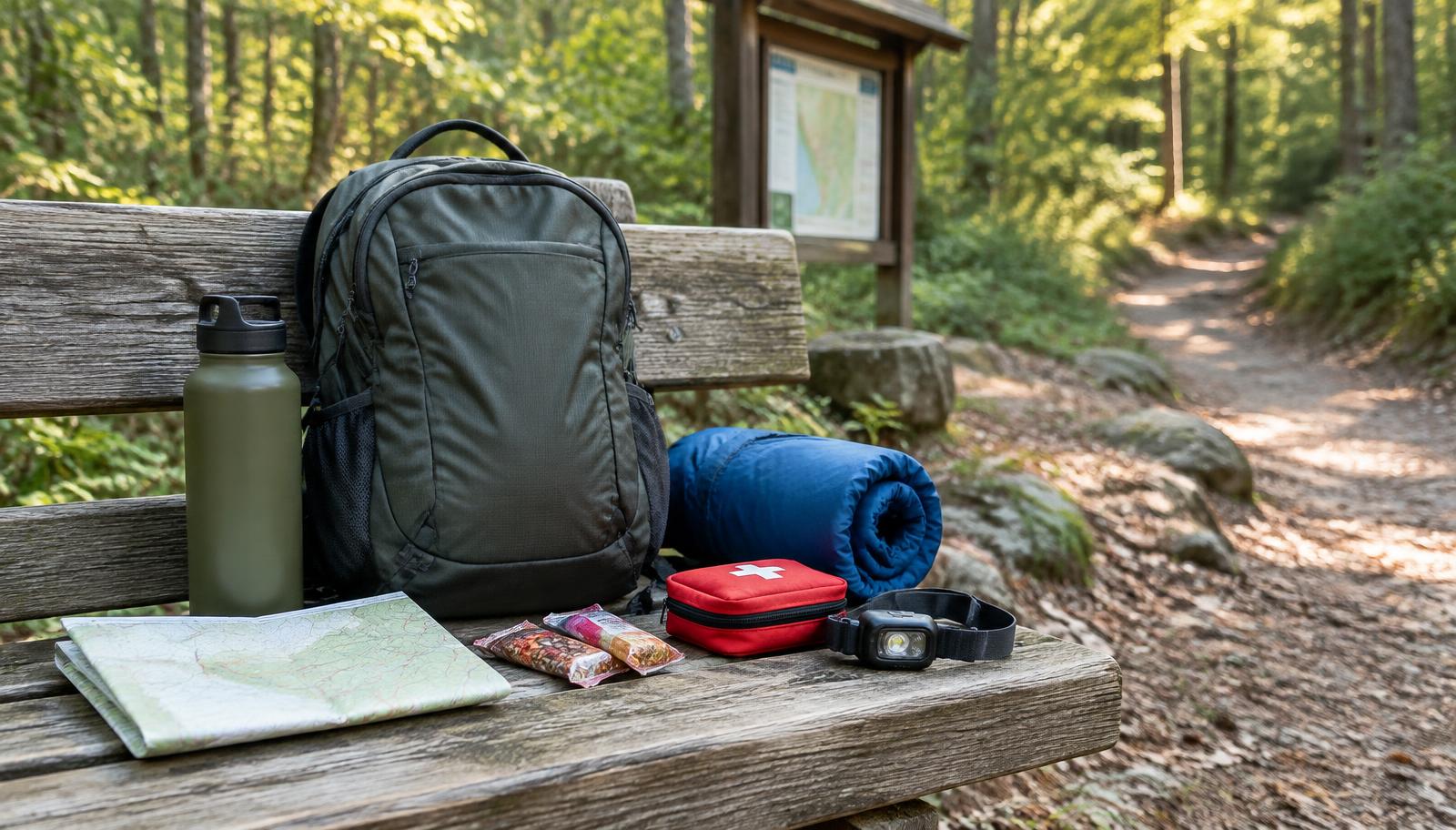
Quick Checklist: What to Bring on a Day Hike
If you're getting ready to head out, start here.
| Essential | What to pack |
|---|---|
| Water | Enough for the hike, conditions, and a reasonable reserve |
| Food | Snacks or a meal, plus extra food appropriate to the outing |
| Navigation | Trail map and a reliable way to follow your route |
| Clothing | Weather-appropriate layers and rain protection |
| Footwear | Comfortable shoes or boots with suitable traction |
| Sun protection | Sunscreen, sunglasses, and a hat when needed |
| First aid | Basic supplies and personal medications |
| Light | Headlamp or flashlight, even if you expect to finish in daylight |
| Emergency supplies | Whistle, emergency shelter or insulation as appropriate |
| Phone | Fully charged, with offline maps where available |
| Daypack | Comfortable bag to carry your supplies |
This list is a starting point, not a substitute for planning.
The traditional hiking Ten Essentials provide a useful framework for navigation, sun protection, insulation, illumination, first aid, fire, repair supplies, nutrition, hydration, and emergency shelter.
For a short, well-maintained trail, you may carry smaller or simpler versions of these items. For remote hikes, difficult terrain, or uncertain weather, your preparation should be more thorough.
1. Water: Your Most Important Hiking Essential
Running short of water can quickly make a hike uncomfortable or unsafe, especially in warm weather or on a demanding trail.
How Much Water Should You Bring?
Water needs vary with temperature, humidity, elevation, exertion, and individual needs.
For moderate activity in mild conditions, roughly half a liter per hour can be a useful initial planning reference for some adults. Hot weather, steep climbs, and strenuous hiking may require substantially more.
Don't treat any single number as a guarantee.
Consider your expected hiking time, access to water, and whether you might be delayed.
Carry a reasonable reserve rather than planning to finish your last sip exactly when you reach the trailhead.
Water Bottle or Hydration Reservoir?
Both can work well.
Water bottles are inexpensive, easy to refill, and simple to clean. They're a great starting point for beginners.
Hydration reservoirs sit inside a backpack and let you drink through a hose while walking. They can be convenient on longer hikes, although they require more cleaning and can make it harder to see how much water remains.
You don't need a hydration reservoir for your first hike.
Can You Drink Water From Streams?
Don't assume natural water sources are safe to drink.
Even clear-looking water can contain microorganisms that cause illness.
If your route depends on natural water, bring a suitable treatment method and understand what it does and does not remove.
For most beginner day hikes, carrying your own water is the simpler option.
2. Food and Snacks: Keep Your Energy Up
You may not need a full meal for a short hike, but bringing food is still sensible.
Hiking can take longer than expected, and even an easy trail may feel more demanding than your normal daily walk.
Good Hiking Snacks
Choose foods that are easy to carry, don't require preparation, and tolerate the expected temperature.
Examples include:
- Trail mix or nuts, when appropriate for dietary needs
- Granola or energy bars
- Crackers or pretzels
- Dried fruit
- Peanut butter sandwiches
- Fresh fruit that travels well
For longer outings, consider a more substantial lunch.
Pack food securely and follow local food-storage rules, especially in areas with bears or other wildlife.
Bring a Little Extra
The amount of extra food depends on the trail and the consequences of getting delayed.
You don't need several days of meals for every short park walk, but a small reserve can be helpful if your outing takes longer than planned.
3. Navigation: Know Where You're Going
Even marked trails can have confusing intersections.
A map helps you understand your route, estimate your remaining distance, and recognize when you've made a wrong turn.
Download an Offline Map
Before leaving home, download the route using a reliable mapping app if one is available.
Check that the map works without cell service.
Identify:
- The trailhead
- The intended route
- Major intersections
- Your turnaround point
- The way back to your starting location
Don't Rely on Your Phone Alone
Phones are useful, but batteries can run out and devices can be damaged.
On straightforward local trails, an official park map may provide a practical backup.
For remote or complicated routes, carry suitable navigation equipment and know how to use it.
A compass isn't particularly helpful if you don't understand how to navigate with one.
Tell Someone Your Plans
Before hiking, tell a trusted person where you're going, which trail you plan to follow, and when you expect to return.
For remote outings, agree on when they should seek help if you haven't checked in.
4. Clothing: Prepare for Changing Conditions
The right clothing helps you stay comfortable when temperatures, wind, and precipitation change.
Pack an Extra Layer
Even when the weather feels comfortable at the trailhead, conditions may be different in shaded areas, at higher elevations, or later in the day.
Depending on the season, bring a lightweight fleece, insulated jacket, or other suitable layer.
Carry Rain Protection
If rain is possible, a lightweight rain jacket can be valuable.
For exposed or remote trails, prepare for precipitation even when the forecast looks favorable.
Wet clothing can become a serious problem in cool or windy conditions.
Choose Appropriate Footwear
For easy, dry, maintained trails, comfortable athletic shoes with adequate traction may be sufficient.
Rocky, muddy, or steep terrain may call for hiking shoes or boots with better grip and protection.
Wear socks that fit comfortably and manage moisture.
Don't use a demanding hike to break in uncomfortable new footwear.
Avoid Overpacking Clothing
You don't need multiple complete outfits for an ordinary day hike.
Focus on layers that address the conditions you're likely to encounter and provide reasonable protection if the weather changes.
5. Sun Protection: More Than Just Sunscreen
Sun exposure can be significant even when temperatures are mild.
Depending on the location and forecast, pack:
- Broad-spectrum sunscreen
- Sunglasses
- A brimmed hat
- Sun-protective clothing
- Lip balm with sun protection
Reapply sunscreen according to its label, especially after sweating.
Remember that higher elevations, reflective surfaces, and exposed trails can increase sun exposure.
6. First-Aid Supplies and Personal Medications
A small first-aid kit is useful for handling minor problems before they become bigger distractions.
What Should a Beginner Hiking First-Aid Kit Include?
Consider:
- Adhesive bandages
- Blister treatment
- Gauze and medical tape
- Antiseptic wipes
- Tweezers
- Disposable gloves
- Any personal medications you may need
- Other supplies appropriate to the location and group
You don't need an oversized medical kit for every short hike.
More important than carrying a large collection of supplies is understanding how to use what you bring.
Don't Forget Personal Needs
Bring any medications or medically necessary supplies you might need during the outing or an unexpected delay.
If you have allergies or other medical considerations, plan accordingly.
A hiking companion should know how to help in an emergency when appropriate.
7. Headlamp or Flashlight: Even for Daytime Hikes
A light source is easy to overlook when you're planning to finish before sunset.
But delays happen.
You might take a wrong turn, move slower than expected, or spend extra time helping someone in your group.
A small headlamp is often more practical than a handheld flashlight because it keeps your hands free.
Check the batteries or charge before leaving.
A phone flashlight is useful as a backup, but shouldn't be your only planned light source on trails where darkness would create a safety risk.
8. Emergency Supplies: Prepare for the Unexpected
Emergency supplies become increasingly important as trails get longer, more remote, or more exposed to weather.
A Few Useful Items
Depending on your route and conditions, consider:
- A whistle for signaling
- Emergency blanket or compact emergency shelter
- Extra insulation
- Basic repair supplies
- Appropriate fire-starting equipment where legal and safe
- A small multitool, if useful
- A backup navigation method
Not every item is necessary for every easy park trail, but the consequences of an unexpected overnight delay should influence what you carry.
What About Emergency Communication?
Cell phones don't work everywhere.
For remote routes without reliable coverage, a satellite communication or emergency alert device may be worth considering.
These devices have their own limitations, service requirements, and costs.
For a beginner, choosing a well-traveled, accessible trail is often a better first safety decision than purchasing specialized emergency electronics.
9. Do You Need a Hiking Backpack?
You don't necessarily need a specialized hiking backpack for your first day hike.
A small, comfortable backpack may be enough for water, food, layers, and basic supplies.
What Size Backpack Works for Day Hiking?
For many ordinary day hikes, a pack around 15–25 liters can be a useful starting range.
Smaller packs may work for short outings, while longer hikes, cold weather, or additional group supplies may require more room.
Pack size should follow your actual needs.
What to Look For
Prioritize:
- Comfortable shoulder straps
- A fit that doesn't rub or bounce
- Enough room for your essentials
- Convenient water access
- Pockets or compartments that help you stay organized
- Weather protection when necessary
A dedicated hiking pack can be worthwhile later, but you don't need to buy one before you've discovered what kinds of hikes you enjoy.
10. What You Probably Don't Need for Your First Day Hike
Outdoor gear lists can make hiking sound much more complicated than it needs to be.
For a short, maintained beginner trail, you probably don't need:
- An expensive technical backpack
- Trekking poles unless they're useful for your terrain or stability
- A portable stove or cooking system
- Overnight camping equipment
- Specialized mountaineering gear
- Multiple changes of clothing
- Expensive navigation electronics
There are situations where some of these items become valuable or necessary.
The point is to match your equipment to the outing instead of purchasing everything at once.
11. Adjust Your Packing List to the Trail
The right packing list changes with the conditions.
| Hiking situation | Additional considerations |
|---|---|
| Short, easy local trail | Basic essentials, weather protection, clear route information |
| Longer day hike | More water and food, extra layers, additional time and navigation planning |
| Hot weather | Additional water, sun protection, heat-management plan |
| Cold weather | Insulation, wind protection, dry layers, emergency shelter |
| Rainy conditions | Waterproof protection, traction, dry storage |
| Remote trail | Stronger navigation backups, emergency communication, additional contingency supplies |
| Hiking with children | Extra snacks, clothing, water, breaks, and supplies suited to their needs |
| Hiking with a dog | Water, bowl, waste bags, leash where required, paw and temperature considerations |
For extreme heat, cold, snow, exposed terrain, or remote wilderness travel, beginner packing advice may not be sufficient. Choose a route within your experience and prepare for the specific hazards.
12. How to Pack Your Day Hiking Backpack
A little organization makes your supplies easier to find.
Keep Frequently Used Items Accessible
Place water, snacks, your map, sunscreen, and weather protection where you can reach them without unpacking everything.
Put Heavier Items Close to Your Back
For many backpacks, carrying heavier items close to your back and near the middle of the pack improves balance and comfort.
Avoid putting all the weight at the bottom or far away from your body.
Protect Items That Must Stay Dry
Use a waterproof liner or dry bags for spare clothing, electronics, and other moisture-sensitive supplies when conditions warrant it.
A backpack's fabric alone may not keep everything dry.
Check the Fit
Before leaving, put on your loaded pack and walk around.
Adjust the straps, check for rubbing, and make sure the weight feels manageable.
If your pack is uncomfortable before you start, it probably won't improve after several miles.
13. Day Hiking Packing Checklist
Use this list before leaving home.
The Basics
- Water and a reasonable reserve
- Snacks or lunch
- Trail map or offline navigation
- Charged phone
- Comfortable footwear
- Weather-appropriate clothing
- Sun protection
- First-aid supplies
- Personal medications
- Headlamp or flashlight
- Emergency supplies appropriate to the route
- Comfortable daypack
Before Leaving
- Check the forecast.
- Confirm trail conditions and closures.
- Review total distance and elevation gain.
- Know your route and turnaround point.
- Check sunrise and sunset times.
- Tell someone your plans.
- Check park rules, permits, and parking information.
Optional or Conditions-Dependent Items
- Trekking poles
- Additional insulation
- Rain cover or waterproof pack liner
- Water filter or treatment supplies
- Satellite communication device
- Insect repellent
- Extra food and water
- Dog or child-specific supplies
14. Frequently Asked Questions
What should I pack for a short day hike?
Bring water, snacks, navigation, appropriate footwear and clothing, sun protection, basic first aid, a light source, and emergency supplies suited to the route. Even a short hike deserves preparation for weather changes or unexpected delays.
How much water do I need for a two-hour hike?
Needs vary by conditions and individual. Roughly half a liter per hour may be a starting reference for some adults in mild conditions, but heat, strenuous terrain, and other factors can increase requirements. Carry a reasonable reserve.
Do I need a backpack for a short hike?
A small backpack is useful for carrying essentials, but it doesn't need to be a specialized hiking model. Use a comfortable bag with enough space for your supplies.
What size backpack is best for a day hike?
For many ordinary day hikes, 15–25 liters is a practical starting range. Short outings may require less capacity, while cold weather, longer routes, or group supplies may require more.
Should I bring a first-aid kit hiking?
Yes. A small first-aid kit can help with blisters, scrapes, and other minor issues. Bring supplies appropriate to your outing and know how to use them.
Do I need trekking poles for day hiking?
Not necessarily. Trekking poles can help some hikers with balance and comfort on uneven terrain, but they're optional for many easy trails.
Is a phone enough for hiking navigation?
A phone with downloaded offline maps can be useful, but it may run out of battery or fail. Carry a suitable backup and understand your route before leaving.
15. Pack Smart, Start Simple, and Enjoy the Trail
The best day hiking packing list isn't the longest one.
It's the one that gives you what you need for the trail, the weather, and the unexpected situations you can reasonably prepare for.
Start with the essentials. Use gear you already own when it's appropriate. Pay attention to what you actually use.
After a few hikes, you'll have a better sense of whether you want a larger backpack, different footwear, trekking poles, or other specialized equipment.
Until then, focus on getting outside safely and enjoying the experience.
Keep Exploring With Ready Outside
Hiking for Beginners
Learn how to choose your first trail, prepare for the day, and build confidence outdoors.
Read the guide →
How to Plan Your First Hike
Find a suitable trail, check conditions, and organize your outing.
Read the guide →
Hiking Safety for Beginners
Understand common trail hazards and how to prepare for emergencies.
Coming Soon
What to Wear Hiking
Choose comfortable footwear, clothing, and layers.
Coming Soon
Best Hiking Gear for Beginners
Explore practical gear choices when you're ready to upgrade.
Coming Soon
Or return to the Hiking Hub.
Explore. Prepare. Get Outside.