Hiking
Hiking for Beginners: Everything You Need to Know Before Your First Hike
Updated October 2026
You don't need expensive equipment, years of outdoor experience, or incredible physical fitness to start hiking.
You just need a trail that matches your ability, a few basic supplies, and a little preparation.
For many people, the hardest part of hiking isn't the trail itself. It's figuring out where to start. How far should you go? What should you bring? Do you need hiking boots? What happens if you get tired or lose your way?
The good news is that your first hike doesn't have to be complicated.
This beginner's guide walks you through choosing a trail, packing the essentials, dressing comfortably, and staying safe so you can spend less time worrying and more time enjoying the outdoors.
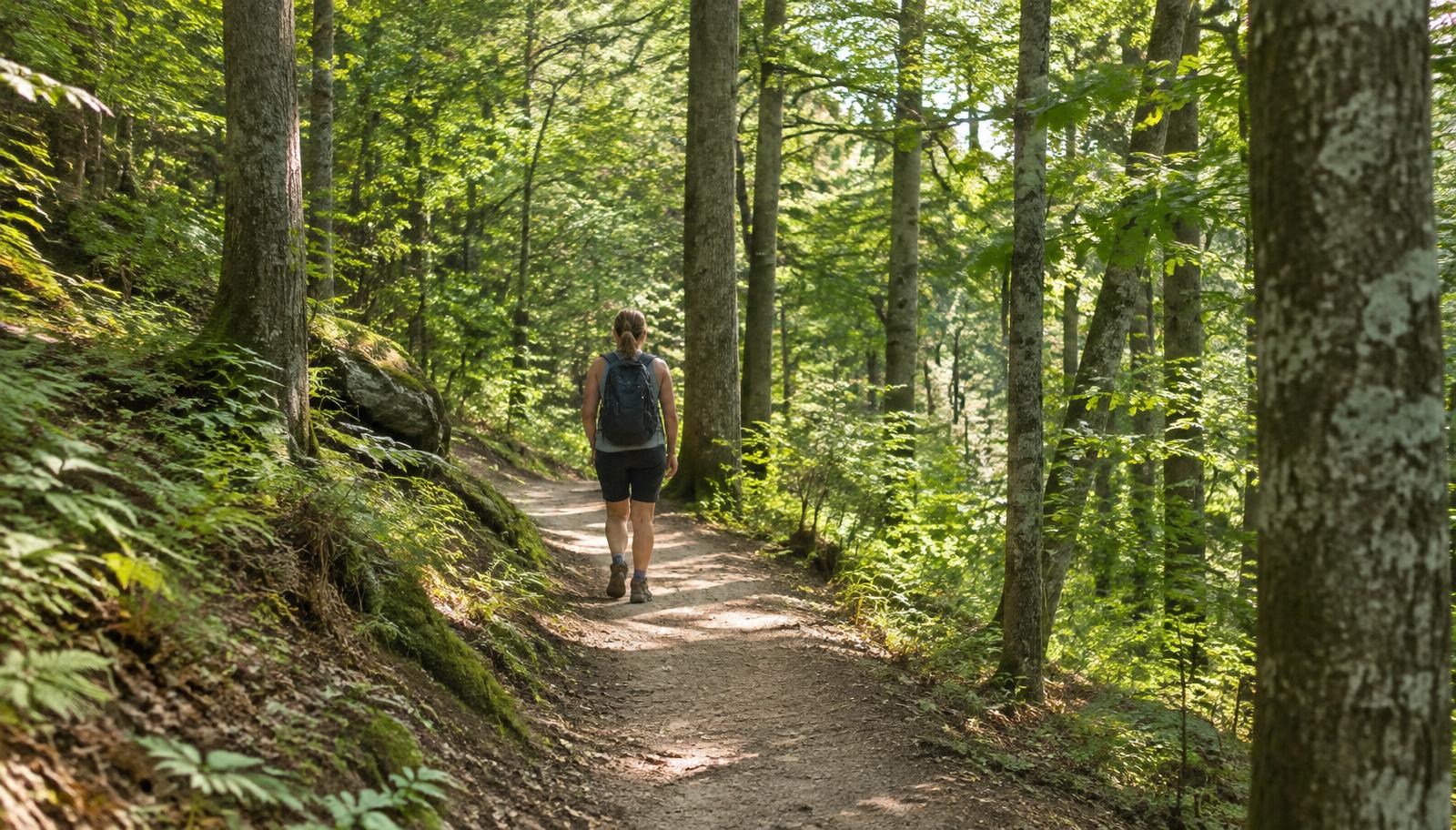
What Is Hiking, Exactly?
At its simplest, hiking is walking outdoors along a trail or natural route.
Some hikes are short, relatively flat walks through wooded parks. Others involve rocky terrain, steep climbs, stream crossings, or several hours in the mountains.
You don't have to climb a mountain for something to count as a hike.
A one-mile nature trail at a state park is a perfectly good place to begin.
Hiking vs. Walking: What's the Difference?
The biggest difference is usually the environment.
Walking often happens on sidewalks, paved paths, or familiar neighborhood routes. Hiking typically takes place on trails where the terrain may be uneven, the weather can change, and help or facilities may be farther away.
That doesn't mean hiking has to be difficult.
Many beginner-friendly trails are well-maintained, clearly marked, and accessible from established parks.
Beginner tip: Your first hike should feel like an enjoyable outdoor walk with a little adventure—not an endurance test.
1. Choose the Right Trail for Your First Hike
Choosing the right trail is probably the most important decision you'll make before your first hike.
A beautiful trail isn't necessarily a good beginner trail. Distance, elevation, terrain, and weather all influence how challenging a hike will feel.
Start With a Short Distance
For many beginners, a trail between 1 and 3 miles total is a reasonable starting point.
But that isn't a requirement or a fitness test. A shorter route may be better if you're new to exercise, hiking with children, managing mobility limitations, or unsure how you'll feel on uneven ground.
Remember that trail descriptions sometimes list distance one way rather than round trip.
A two-mile out-and-back trail could mean two miles total—or two miles each way, depending on how it's described.
Always confirm the total distance before starting.
Pay Attention to Elevation Gain
Elevation gain describes how much uphill climbing a trail involves.
Two trails with the same mileage can feel completely different.
A relatively flat two-mile trail may be comfortable for a beginner, while a two-mile trail with a steep climb could be exhausting.
Look for trails described as easy, relatively flat, or having modest elevation gain.
Trail difficulty ratings are useful, but they're not standardized across every park or trail website.
Look at the Terrain
For your first hike, choose a trail with:
- A clearly marked route
- A maintained walking surface
- Limited steep or rocky sections
- Few complicated intersections
- A straightforward return to the trailhead
Avoid routes requiring scrambling, difficult stream crossings, exposed ledges, or specialized navigation until you have more experience.
Choose a Trail With Good Information
State parks, local parks, and established recreation areas are often good places to begin.
Look for an official trail map and recent information about trail conditions, closures, parking, and facilities.
If you're uncertain about a trail, choose an easier alternative.
There's no downside to starting small.
2. How Far Should a Beginner Hike?
Your first hike should be based on your comfort level, not someone else's mileage.
For many healthy adults, a relatively easy 1–3-mile hike may be a manageable introduction. But your starting distance could be much shorter, especially if the terrain is uneven, the weather is hot, or you aren't accustomed to walking.
A good first hike leaves you feeling like you could have done a little more.
How Long Does a Beginner Hike Take?
On an easy trail, some hikers may average around 2 miles per hour. Others will move considerably slower, especially with hills, children, photo stops, or frequent breaks.
Instead of relying on a fixed pace, allow extra time.
For example, a two-mile beginner hike might take roughly one to two hours once you include breaks and time to enjoy the scenery.
Your actual time will depend on the trail and your group.
Remember the Return Trip
One common beginner mistake is hiking until you're tired and then realizing you still have to walk all the way back.
On an out-and-back trail, consider turning around before you've used half your comfortable walking time or energy.
Save something for the return.
Ready Outside tip: Your goal on the first hike isn't to see how far you can go. It's to finish comfortably and want to go hiking again.
3. What Should You Bring on Your First Hike?
You don't need a closet full of outdoor gear.
For a short, easy hike, you can often start with items you already own. The essentials are about staying hydrated, handling changing conditions, and being prepared if your outing takes longer than expected.
Beginner Hiking Essentials
| Item | Why it matters |
|---|---|
| Water | Helps you stay hydrated throughout the hike |
| Snacks | Provides energy if you're out longer than planned |
| Trail map or offline navigation | Helps you stay on the correct route |
| Charged phone | Useful for navigation and emergency communication where service exists |
| Weather-appropriate clothing | Helps protect against changing temperatures and conditions |
| Comfortable footwear | Improves traction and comfort on uneven ground |
| Small first-aid kit | Useful for blisters, scrapes, and minor injuries |
| Sun protection | Protects against sun exposure |
| Headlamp or flashlight | Important if a hike takes longer than expected |
| Emergency essentials | Items such as a whistle, insulation, and an emergency shelter appropriate to the conditions |
The traditional hiking Ten Essentials are a useful framework for planning what to carry. Exactly what you need depends on the trail, season, location, and potential consequences of getting delayed.
How Much Water Should You Bring?
Water needs vary significantly based on temperature, humidity, exertion, trail difficulty, and individual needs.
For an easy hike in mild weather, many people use roughly half a liter of water per hour as an initial planning reference, but some conditions require substantially more.
Bring extra when conditions warrant it, and don't assume you'll find safe drinking water along the trail.
If you're hiking in heat or on a remote route, plan hydration more carefully.
Do You Need a Hiking Backpack?
Not necessarily.
For a short nature trail, a small daypack you already own may work perfectly well.
Look for something comfortable that holds your water, snacks, extra clothing, and basic safety supplies without bouncing or digging into your shoulders.
As your hikes become longer, a dedicated hiking daypack may be worth considering.
Ready to pack for the trail? Read our What to Bring on a Day Hike guide for a practical checklist of water, food, clothing, navigation, and safety essentials.
4. What Should You Wear Hiking?
Comfort matters more than looking like an experienced hiker.
The best hiking clothing allows you to move easily, helps manage moisture, and provides protection from the conditions you'll encounter.
Shoes or Hiking Boots?
You don't automatically need hiking boots for your first hike.
For a dry, maintained trail with gentle terrain, comfortable walking shoes or athletic shoes with reliable traction may be sufficient.
For rocky, muddy, steep, or uneven trails, hiking shoes or boots with more appropriate grip and support may be a better choice.
Consider the trail surface, weather, and how your footwear fits.
Avoid wearing brand-new shoes on a long hike without first checking that they're comfortable.
Choose Comfortable Socks
Socks can make a surprising difference.
Moisture-managing synthetic or wool-blend socks are often more comfortable than cotton socks, particularly when your feet get sweaty or wet.
Make sure your socks fit without bunching or rubbing.
Dress in Layers
Outdoor temperatures can change throughout the day, especially when you're moving between sun, shade, and higher elevations.
A simple layering system may include:
- A comfortable moisture-managing shirt
- A lightweight insulating layer when needed
- A rain or wind shell suited to the forecast
- Comfortable pants or shorts appropriate for the terrain
Cotton can hold moisture and become uncomfortable or dangerously cold in cool, wet conditions. Choose fabrics suited to the weather.
Don't Forget Sun and Rain Protection
Even a short hike can expose you to changing weather.
Depending on the forecast, bring sunscreen, a hat, sunglasses, and a lightweight rain layer.
Check the forecast before leaving, but remember that mountain weather can change quickly.
Coming next: What to Wear Hiking — shoes, clothing, and layers explained.
5. How to Prepare Before Your First Hike
A little planning makes hiking more enjoyable and can prevent avoidable problems.
You don't need an elaborate itinerary for a short local trail, but you should know where you're going and what to expect.
Check the Weather
Look at the forecast for the actual trail location, not just the nearest city.
Pay attention to:
- Temperature and wind
- Rain or thunderstorms
- Heat and humidity
- Potentially slippery conditions
- Expected changes during your hike
If severe weather is forecast, postpone your hike or choose a safer activity.
Check Trail Conditions and Closures
Trails sometimes close because of flooding, storm damage, maintenance, wildfire risk, or other hazards.
Check official park or land-management information before leaving.
Recent visitor reports can provide additional context, but official closures and restrictions take priority.
Download a Map
Don't rely entirely on having cell service.
Download an offline trail map or carry a paper map when appropriate.
Before starting, identify the trailhead, major intersections, turnaround point, and return route.
Make sure you know whether the trail is a loop, out-and-back, or point-to-point route.
Tell Someone Your Plans
Let a trusted person know where you're hiking, which route you expect to take, and when you plan to return.
For remote trails, agree on what they should do if you don't check in.
This is especially important when hiking alone.
Start Early Enough
Give yourself plenty of daylight.
A short hike can take longer than expected because of breaks, confusing intersections, changing weather, or unexpected trail conditions.
Know approximately when sunset occurs and plan to finish well before dark.
6. Basic Hiking Safety for Beginners
Hiking is an enjoyable activity, but outdoor conditions deserve respect.
You don't need to be afraid of the trail. You do need to pay attention and make sensible decisions.
Stay on Marked Trails
Follow established trail markers and signs.
Avoid shortcuts, especially around switchbacks, steep slopes, or sensitive vegetation.
Leaving the trail can damage the environment and make navigation more difficult.
Pay Attention to Your Surroundings
Watch for loose rocks, exposed roots, slippery leaves, and uneven ground.
Slow down on descents and in unfamiliar terrain.
If a section feels unsafe, turning around is a reasonable choice.
Know When to Turn Around
You don't have to finish every hike you start.
Turn around if you're unusually tired, running low on water, losing daylight, becoming uncertain of your route, or seeing worsening weather.
A successful hike is one you return from safely.
Know What to Do if You Get Lost
If you realize you may be off-route:
- Stop moving and avoid wandering farther.
- Stay calm and assess your surroundings.
- Check your map and last known location.
- Retrace your steps only if you can do so safely and confidently.
- If you cannot safely navigate back, stay in a safe location and seek help.
If there's an emergency, contact local emergency services when possible. Cell coverage may be unreliable, and your phone's location or emergency features may not work everywhere.
Carry appropriate emergency equipment for the area rather than relying solely on your phone.
Respect Wildlife
Observe animals from a distance.
Never feed wildlife or approach animals for photographs.
Learn about local wildlife precautions before your hike, particularly in areas with bears, venomous snakes, or other potential hazards.
Practice Leave No Trace
Help protect the places you're enjoying.
Stay on durable trails, pack out your trash, respect wildlife, and follow posted regulations.
If you bring a dog, follow leash requirements and clean up after it.
Coming next: Hiking Safety for Beginners — practical trail safety and emergency preparation.
7. Common Beginner Hiking Mistakes
Most beginner hiking mistakes are avoidable with a little preparation.
Choosing a Trail That's Too Difficult
A trail with beautiful photos may still involve steep climbs or difficult terrain.
Start with the trail description, not just the scenery.
Bringing Too Little Water
Even mild weather can make a hike more demanding than expected.
Carry enough water for your planned outing and a reasonable margin for delays.
Wearing Uncomfortable Shoes
Shoes that rub or lack appropriate traction can turn an otherwise enjoyable hike into a frustrating experience.
Choose footwear based on fit and trail conditions.
Starting Too Late
Unexpected delays can quickly become a problem when daylight is running out.
Start with more time than you think you'll need.
Depending Completely on Your Phone
Phones are helpful tools, but batteries run down, devices break, and service disappears.
Use offline navigation and carry suitable backups.
Trying to Keep Up With Someone Else
Everyone hikes at a different pace.
Take breaks when needed, communicate with your group, and choose a pace that allows you to stay comfortable.
8. Your First-Hike Checklist
Use this checklist before heading out.
Before You Leave
- Choose a beginner-friendly trail.
- Confirm total distance and elevation gain.
- Check trail conditions and closures.
- Review the weather forecast.
- Download or bring a trail map.
- Check daylight and expected return time.
- Tell someone where you're going.
What to Pack
- Enough water for the conditions, plus a reasonable reserve
- Snacks
- Charged phone
- Navigation and backup appropriate to the route
- First-aid supplies
- Sun and weather protection
- Extra clothing appropriate to the conditions
- Headlamp or flashlight
- Emergency supplies suited to the location and conditions
On the Trail
- Start at a comfortable pace.
- Stay on the marked route.
- Take breaks and drink water as needed.
- Monitor the weather and daylight.
- Turn around when conditions or your energy require it.
- Pack out everything you bring.
You don't need to complete an impressive hike to have a great first experience.
You just need to be prepared and enjoy being outside.
9. Frequently Asked Questions About Hiking for Beginners
How many miles should a beginner hike?
For many beginners, a relatively easy 1–3-mile hike is a reasonable starting point. Shorter hikes are perfectly fine, and distance should be adjusted for fitness, terrain, elevation gain, weather, and individual needs.
Can you go hiking if you're out of shape?
You don't have to be an athlete to enjoy easy hiking trails. Start with a short, manageable route and increase distance gradually as your comfort and endurance improve. If you have a medical condition or limitations that affect activity, seek appropriate medical guidance before attempting a demanding hike.
Do beginners need hiking boots?
Not always. Comfortable walking or athletic shoes with suitable traction may work on easy, maintained trails. Hiking-specific footwear becomes more useful on rocky, muddy, steep, or challenging terrain.
Is it safe to hike alone as a beginner?
Hiking with a companion or group is generally a better starting point, especially on unfamiliar trails. If you choose to hike alone, select a well-marked route appropriate to your experience, share your plans, carry navigation and emergency supplies, and understand that cell service may be unavailable.
How much does it cost to start hiking?
You can often begin with clothing, shoes, and a small bag you already own. Some parks charge entrance or parking fees, but many local trails are free to access. Specialized equipment isn't necessary for every beginner outing.
What's the best time of day to go hiking?
For many beginner hikes, starting in the morning provides more daylight and may help avoid afternoon heat or thunderstorms in some locations. The safest time depends on local weather, season, trail conditions, and daylight.
What's the difference between a loop trail and an out-and-back trail?
A loop trail generally returns to the starting point by following a circuit. An out-and-back trail follows a route to a turnaround point and then returns along the same path. Either can be suitable for beginners when distance, terrain, and navigation are manageable.
10. Your First Hike Is Just the Beginning
You don't need to know everything about hiking before you get started.
Choose an easy trail. Bring the basics. Check the conditions. Take your time.
Your first hike might be a quiet walk through the woods, a short trail to a waterfall, or a loop around a local park.
That's enough.
As you gain experience, you'll learn what clothing feels comfortable, which trails you enjoy, and what equipment is actually worth buying.
You can explore longer routes and more challenging terrain when you're ready.
The important part is getting started safely and building confidence one hike at a time.
Keep Exploring With Ready Outside
As you plan your next outing, these guides will help you take the next step:
What to Bring on a Day Hike
Build a simple, reliable packing list.
Read the guide →
How to Plan Your First Hike
Choose a trail and prepare for the day.
Read the guide →
Hiking Safety for Beginners
Understand trail hazards and emergency basics.
Coming Soon
What to Wear Hiking
Choose comfortable clothing and footwear.
Coming Soon
Best Hiking Gear for Beginners
Learn which equipment is worth considering.
Coming Soon
Or return to the Hiking Hub.
Explore. Prepare. Get Outside.